

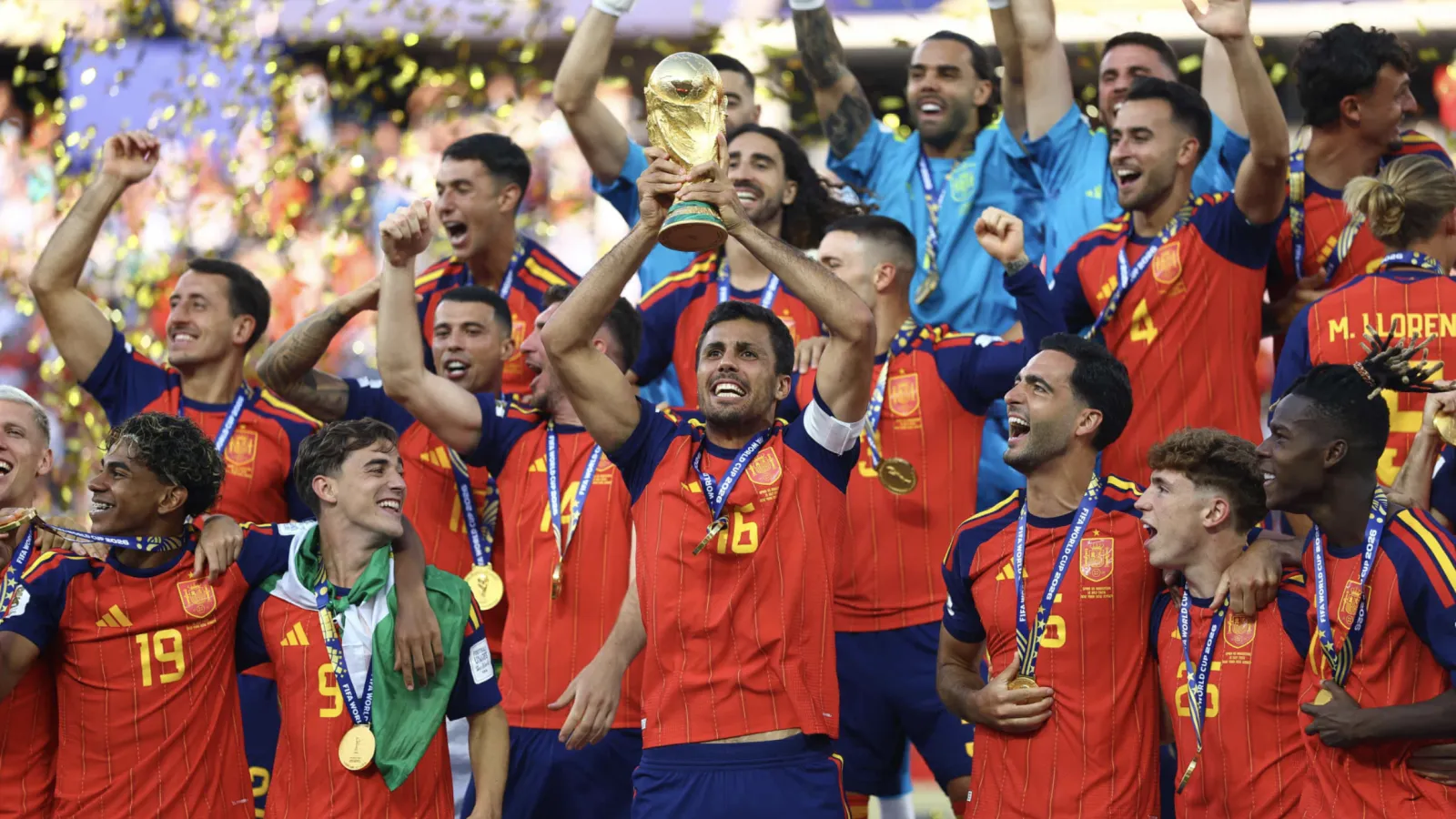
ސްޕެއިނުން ވޯލްޑް ކަޕްގެ ތަށި އުފުލާލަނީ
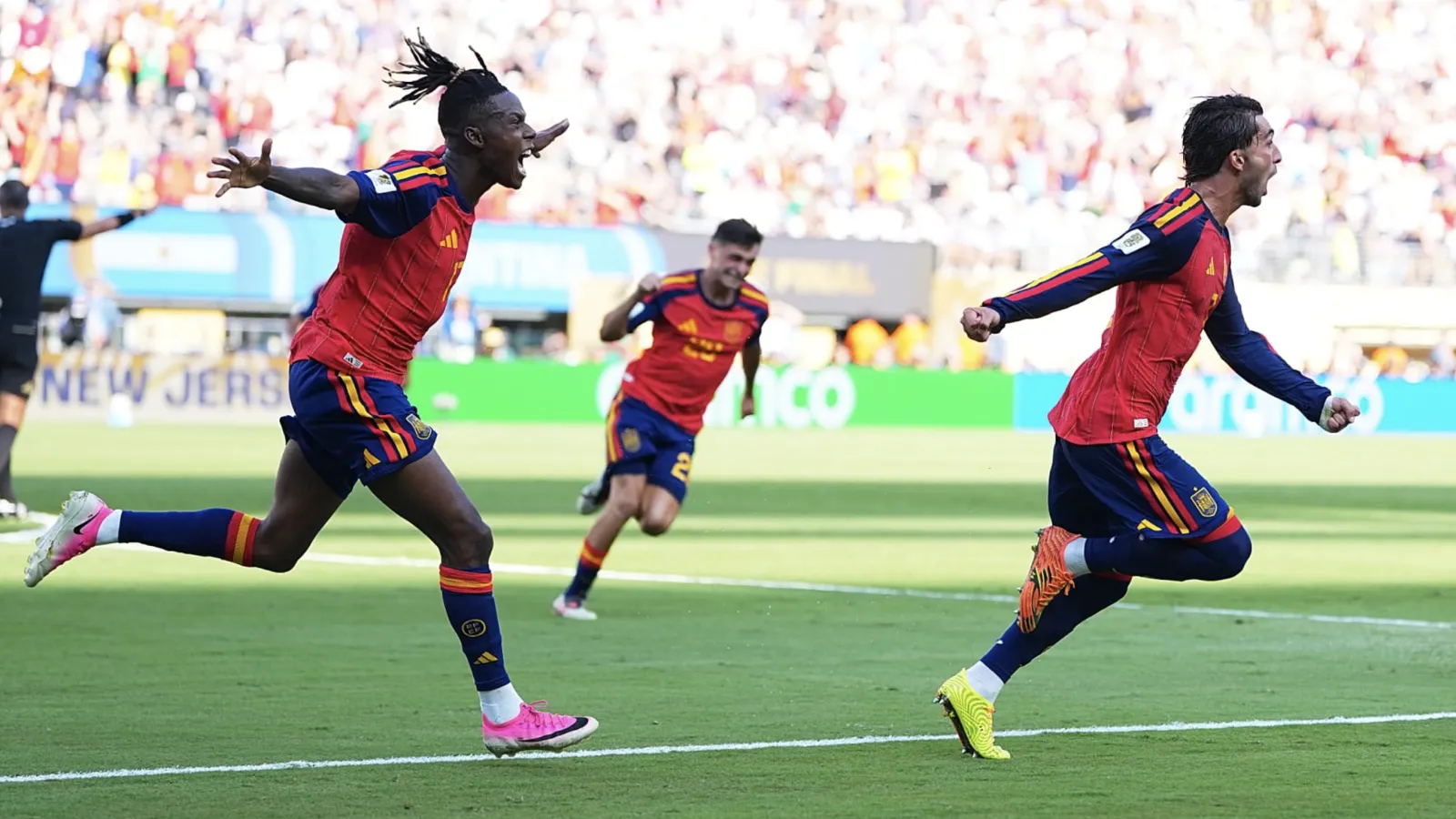
The 2026 World Cup, which concluded in the US, Canada and Mexico, was the biggest in history, with 48 teams playing 104 matches. The tournament ended with Spain defeating Argentina in the final to claim the title. Based on the standard of play, organisation and challenges encountered, the tournament has been given a rating of 8.8 out of 10.
Standard of play and entertainment
Standard of play: 9.5/10
Entertainment: 9.5/10
Although there were expectations that expanding the number of teams could lower the standard of play, the determination shown by smaller nations made the tournament highly competitive. Countries such as Cape Verde, Morocco, Norway and Paraguay posed serious challenges to the bigger teams.
The tournament was full of surprising results, penalty shootouts and late goals. With matches played every day through to the round of 16, supporters enjoyed uninterrupted entertainment.
The 48-team format and attendance
48-team format: 8/10
Attendance: 9.5/10
While giving more countries an opportunity was a positive development, having to play 104 matches made the tournament lengthy. The system for selecting third-placed teams from the group stage also reduced some of the excitement.
This became the best-attended World Cup in history. More than 6.25 million fans attended matches at the stadiums. The cultures of the US, Canada and Mexico came together to create a welcoming atmosphere.
Organisation and travel challenges
Organisation: 7.5/10
Stadium facilities and broadcasting standards were excellent. However, the distances across the three countries presented teams and supporters with numerous travel difficulties and high costs. Unlike more compact tournaments, this World Cup required journeys of several thousand kilometres between cities. There were also notable problems with teams such as Iran being unable to obtain visas.
Ticket prices and commercial influence
Ticket affordability: 5.5/10
Commercial practices: 6.5/10
This was the tournament's biggest failing. Exceptionally high ticket prices deprived ordinary supporters of the opportunity to watch matches. Excessive commercialisation of the tournament and lengthy half-time entertainment shows also undermined the true spirit of football.
Technology and player safety
Hydration breaks: 7/10
Technology and refereeing decisions: 8/10
Although introduced to protect players in the intense heat, hydration breaks became tactical timeouts for coaches, disrupting the flow of matches. While VAR and semi-automated offside systems sped up decisions, questions remained about the consistency of refereeing decisions.
Historic memories and the tournament's success
Rating: 10/10
With Lionel Messi and Cristiano Ronaldo playing their last World Cup, the emergence of young stars such as Lamine Yamal, and the challenges mounted by England and France, this tournament will be written into history in golden letters. It was a tournament that marked a generational shift.
Ticket prices, commercial influence, organisation and hydration breaks were the tournament's most negative aspects. There were also signs that technology was eroding the essence of football. FIFA therefore needs to make changes in these areas going forward. It must also provide proper answers to allegations that it came under the influence of US President Donald Trump during the tournament.




Comments