

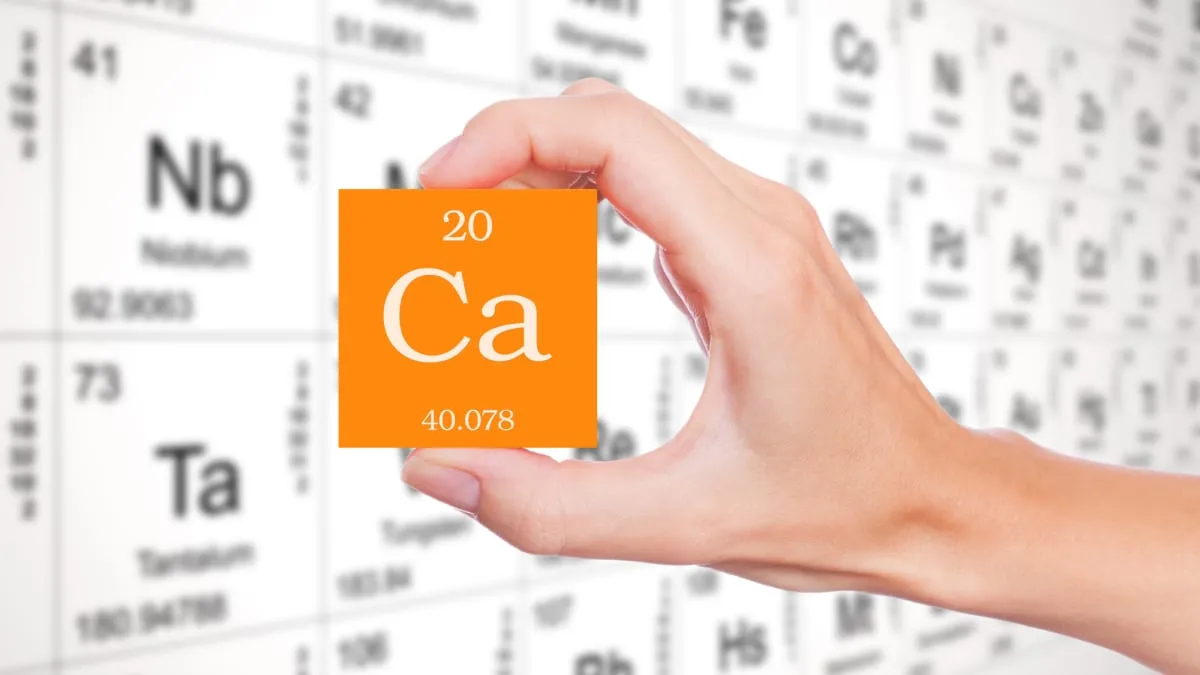
Calcium is the most abundant mineral in the human body. Although most is found in bones and teeth, it is also present in the blood and fluids outside cells. It helps regulate and maintain the body's metabolic functions.
You may wonder why the body needs calcium and why it is important to ensure an adequate intake. The main reason is that calcium helps keep our bones and teeth strong throughout our lives. Insufficient calcium intake can weaken bones and increase the risk of fractures.
Recommended calcium intake
As calcium is needed for many bodily functions, it is important to include foods that provide adequate amounts in your daily diet. People over 50 are advised to consume 1,200 milligrams of calcium a day, while those under 50 are advised to consume 1,000 milligrams a day.
However, there is also an upper limit to the amount of calcium the body can tolerate. Consuming more than 2,500 milligrams a day is not advisable, as excess calcium can cause health problems such as “hypercalcemia”. This can lead to serious problems such as calcium deposits in cartilage or tissues, particularly the kidneys. Excessive calcium intake can also cause constipation.
Calcium intake at different ages is outlined below
Males and females aged 1 to 18: 260-200 milligrams of calcium.
Males and females aged 9 to 18: 1,300 milligrams of calcium.
Females and males aged 19 to 50: 1,000 milligrams of calcium.
Females and males over 50: 1,200 milligrams of calcium.
What factors affect calcium absorption?
Adults absorb only 30% of calcium on average, making it very important to work towards increasing the amount the body can use. Substances and nutrients that help the body absorb calcium include vitamin D, lactose, protein, sugar and xylitol.
Health problems caused by calcium deficiency
Not getting enough calcium can cause many health problems. Prolonged calcium deficiency can lead to “osteoporosis”, or the loss of bone density. This weakens bones and increases the risk of cracks and fractures.
When calcium levels in the blood fall below the required level (hypocalcemia), a condition called “tetany” can occur. This can cause muscle stiffness in the arms and legs, muscle twitching or seizures. In addition, consuming less than 500 milligrams of calcium a day can lead to high blood pressure.








Comments